
Truth as a Moving Target
Why yesterday's liberating insight so easily becomes today's rigid dogma.

We carry a deep, almost desperate psychological craving for anything permanent.
We want to believe that somewhere beneath the chaotic, ever-shifting currents of human existence, there is a hard, frozen bedrock of reality; a capital-T “Truth” that remains completely still.
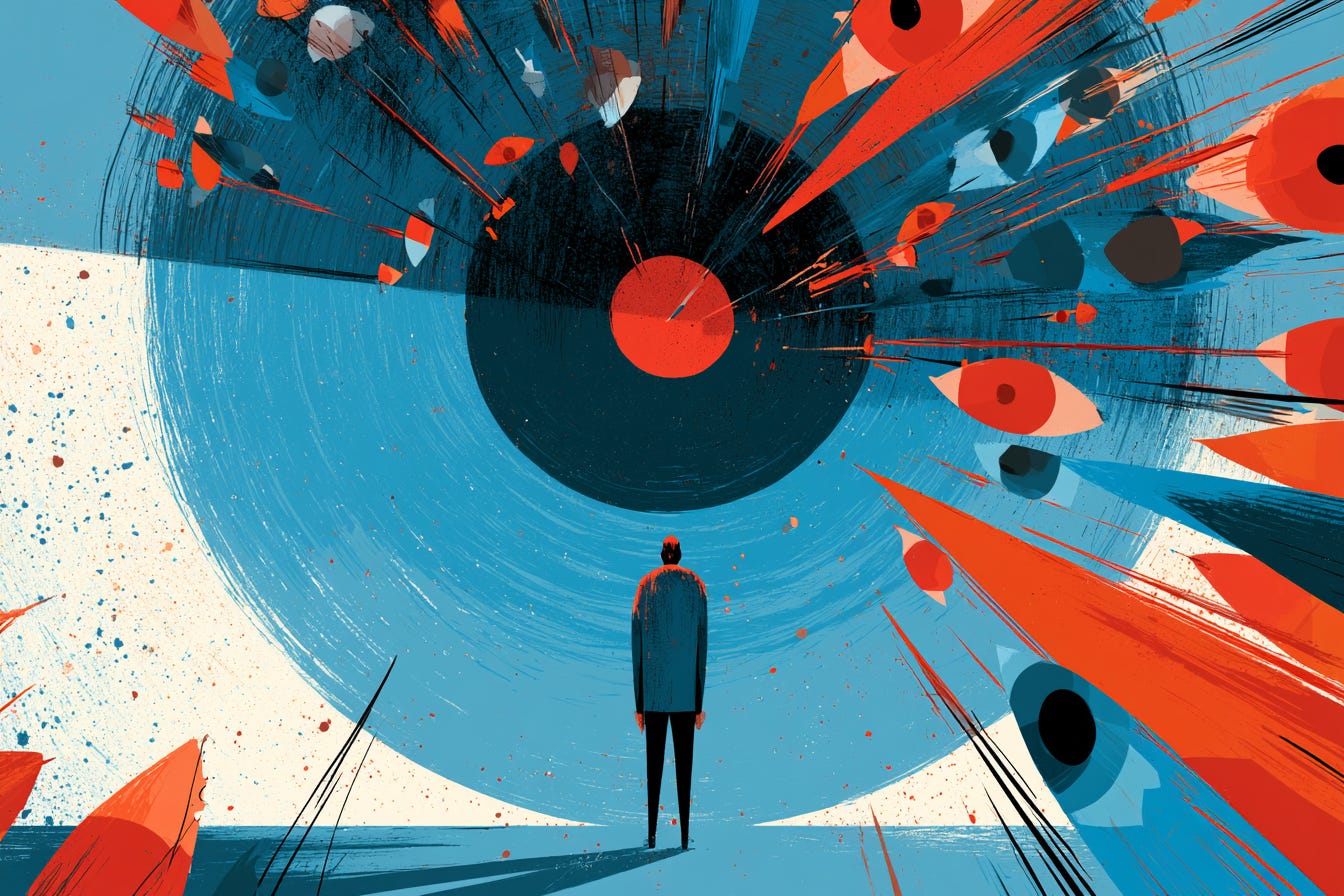
In modern spiritual and philosophical circles, this craving manifests as the myth of the final realisation. We tend to treat awakening like a permanent plateau where the search ends, the truth is revealed, and, conveniently, remains the same forever.
But to my mind, this assumption is an overstep. It mistakes a profound psychological breakthrough for a metaphysical endpoint.
Plateau of Permanence
If we look closely at the universe we actually inhabit, we readily accept that reality is a verb.
Everything we can observe is a finite process in motion. Stars collapse, species adapt, cells regenerate, and our own psychological landscapes shift from morning until night. Yet, when it comes to spiritual realisation, we somehow decide that our personal insight is exempt from the laws of nature.
We reify the experience, transforming a fluid glimpse of the infinite into a static, rigid noun. We plant our flag in a single moment of clarity and declare, “This is it. I have found it, and it will never move.”
I am highly skeptical of this static permanence. To me, truth seems to be more likely a moving target.
It is alive, which means it is constantly drifting, morphing, growing, and refining itself. The truth you discovered yesterday is rarely the exact truth awaiting you tomorrow.
This doesn’t mean that reality itself is whimsical or that foundational insights completely evaporate overnight. Rather, it means that the relationship between consciousness and reality is an ongoing, evolutionary dance.
Truth is not an object waiting to be acquired; it is a living ecosystem that changes the moment you observe it.
When we refuse to see truth as a moving target, we run into a dangerous trap: we lose touch with it almost immediately. The moment you decide an insight is final, you stop looking at the living reality in front of you and start looking at your memory of the insight.
The realisation crystallises into dogma. You begin weaponising yesterday’s clarity to defend yourself against today’s complexity.
The subtle, vibrant truth of the present moment gets suffocated by the heavy, conceptual noun you constructed out of an experience.
The Valley of Complexity
A mature relationship with truth requires the humility to realise that our understanding must constantly evolve. It must become more subtle, more nuanced, and increasingly capable of holding massive, seemingly impossible contradictions.
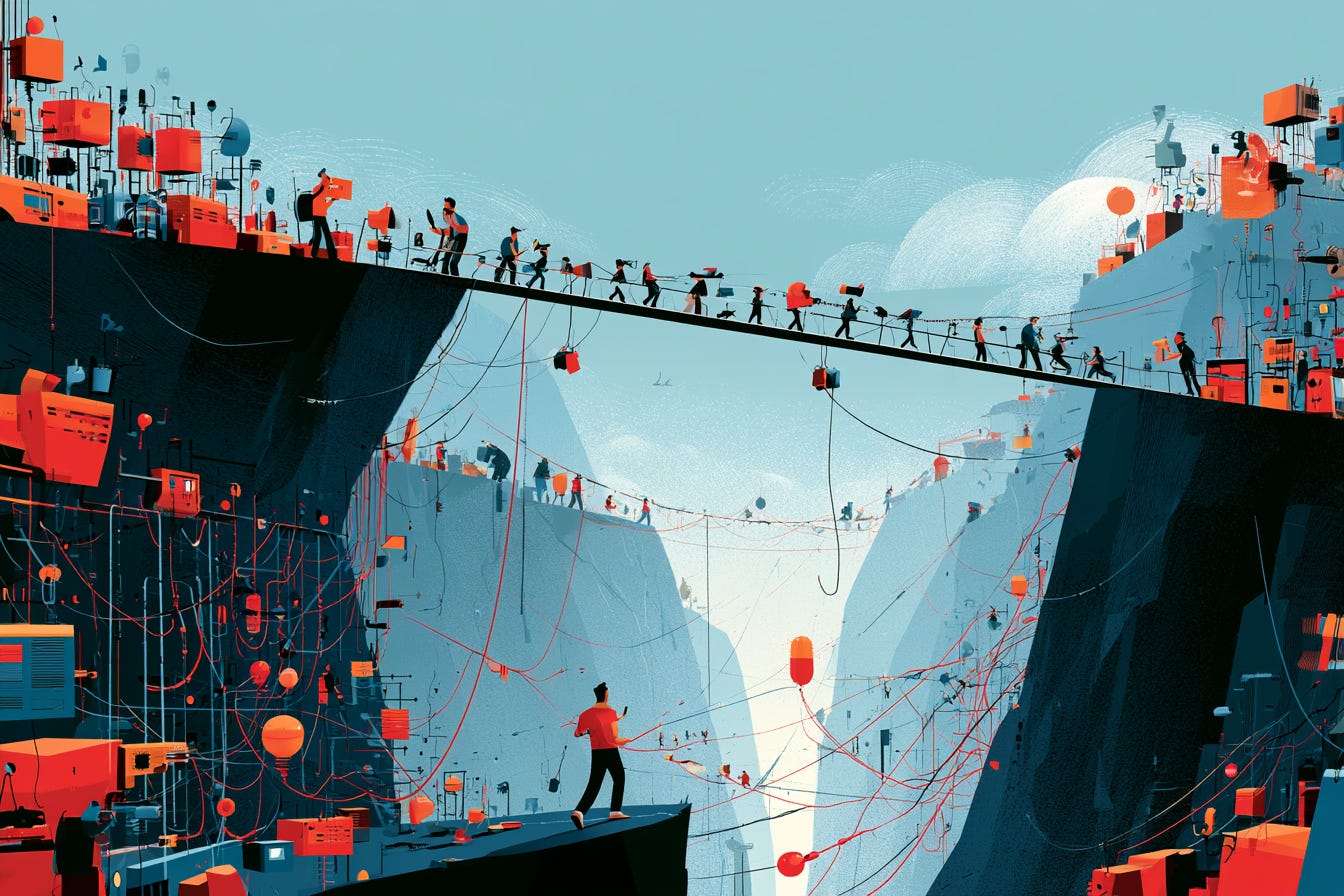
In the infancy of a spiritual breakthrough, everything seems stark, clean, and absolute. It is easy to shout from the mountaintop that “nothing matters” or “there is no self.” But as the target moves, and as you are forced to bring that insight down into the valley of everyday human life, those loud, rigid absolutes begin to fracture.
You realise that while the absolute empty sky is true, the relative stormy weather of human relationship is also true. A static view of truth forces you to choose one and deny the other. A fluid view of truth allows you to hold both in a wider, more comprehensive harmony.
Ultimately, accepting that truth is a moving target is not a counsel of despair; it is an invitation to profound freedom. It rescues us from the exhaustion of having to perform expertise or protect a flawless spiritual identity.
We don’t have to pretend we have reached the ceiling of reality, because there is no ceiling. We are freed from the lazy assumption that we are “cooked” or finished.
Instead of standing as self-appointed guardians of a static, frozen monument, we are returned to the posture of the explorer.
We are forced to stay awake, to stay sensitive, and to keep looking.
We accept that the landscape will change, the frame will shift, and the loop will demand to be completed over and over again.
There is no permanent noun waiting for us at the end of the road. There is only the living, breathing verb of the present, and the endless, beautiful work of tracking a target that is always in motion.
Thank you for your time and attention.
— Michael
I love this. I also doubt whether there's any point where you can just coast for free and stop having to engage actively in experience - and why would you want to, anyway?
Also, really cool artwork!
Our perception of reality is moving… Thanks for sharing this! I loved the images 😉